ART +
HERITAGE

We work to preserve and highlight the cultural heritage of Aysén, using art as a means of fostering connections between communities and across different regions.

We seek to strengthen the contemporary relevance of Aysén’s Patagonian culture by applying artistic methodologies to our heritage research and incorporating heritage elements into our artistic creations.

RESEARCH

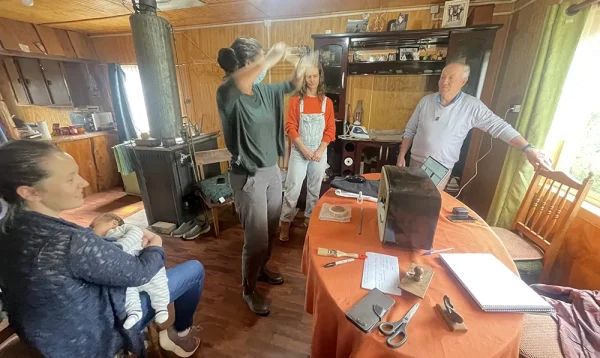
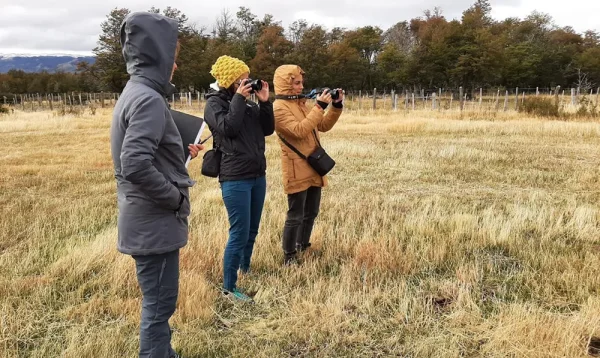
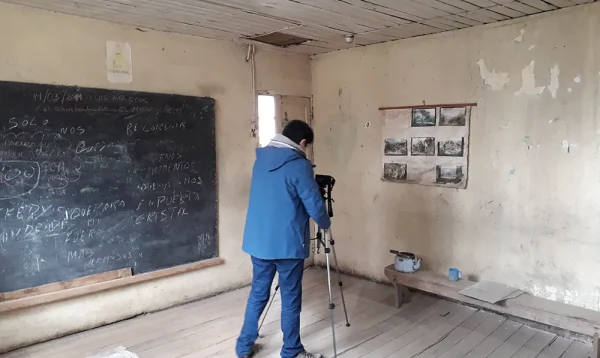
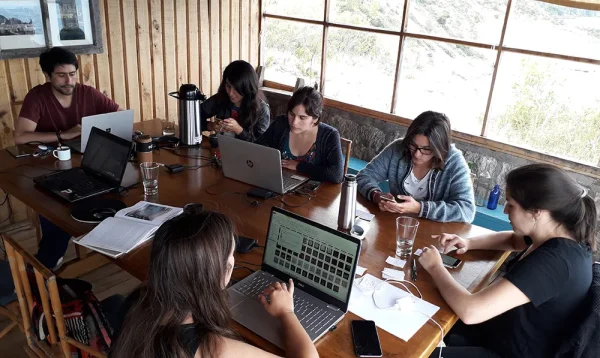
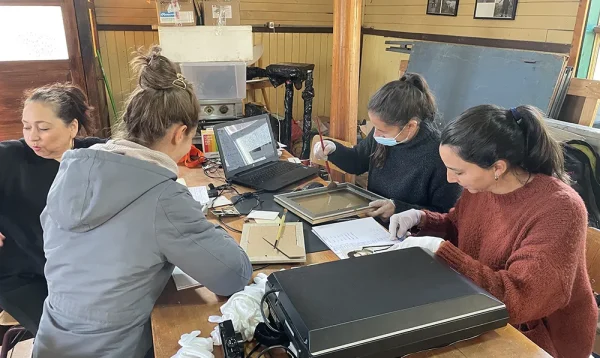
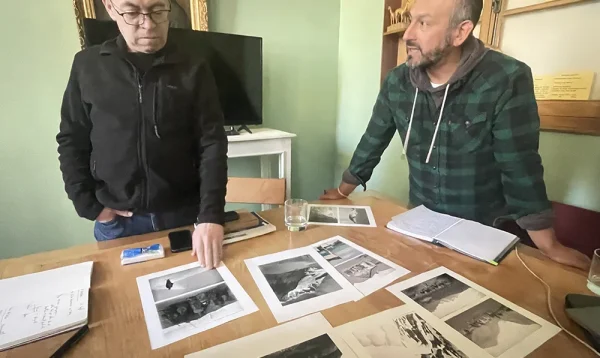
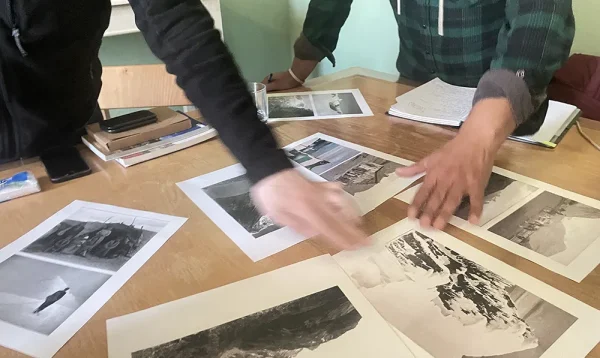
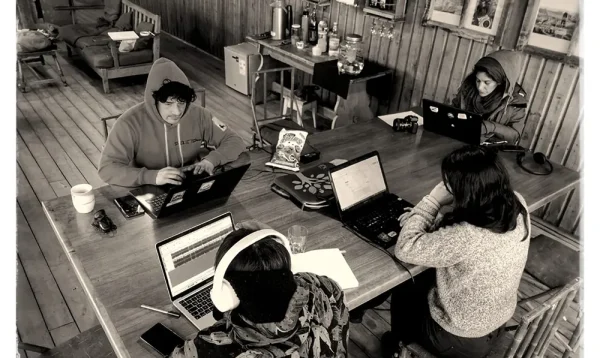
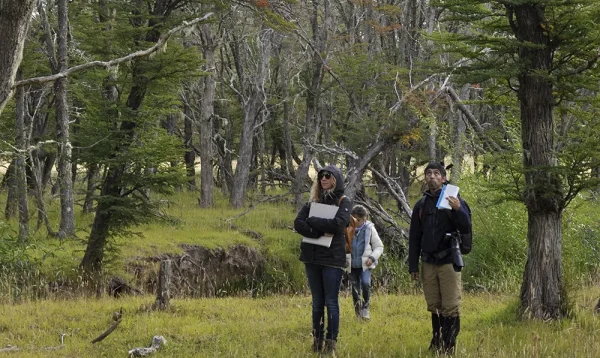
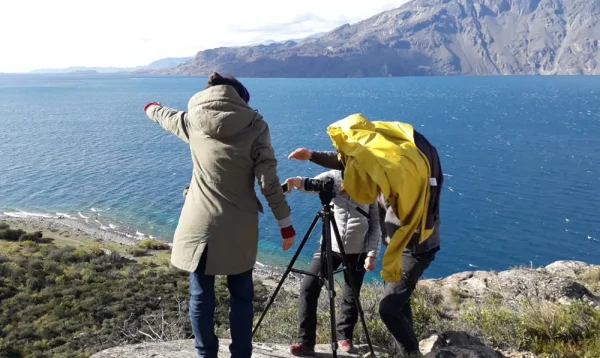
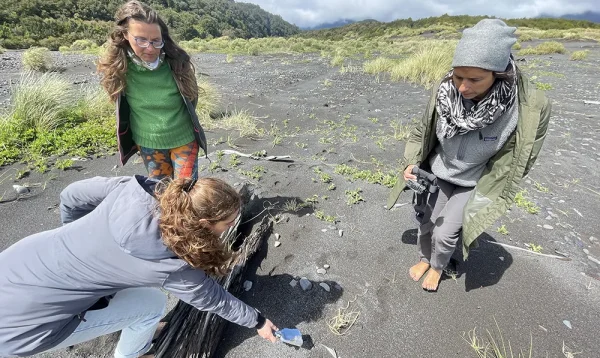
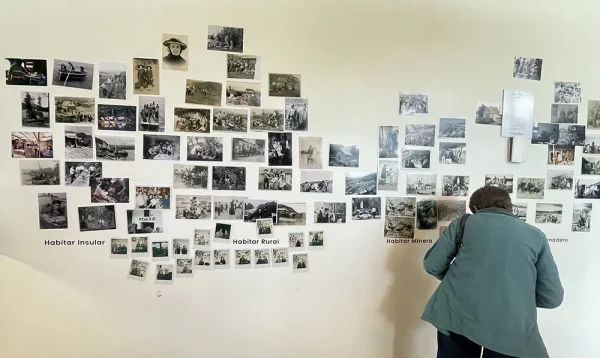
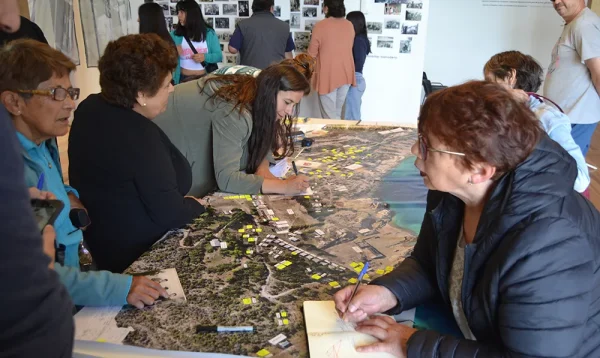
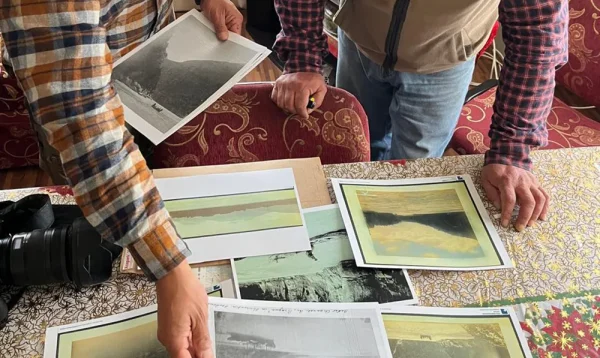
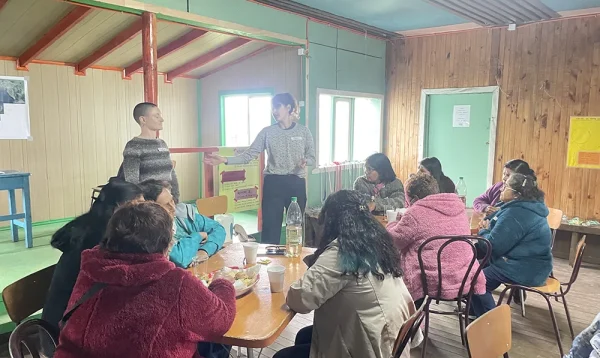
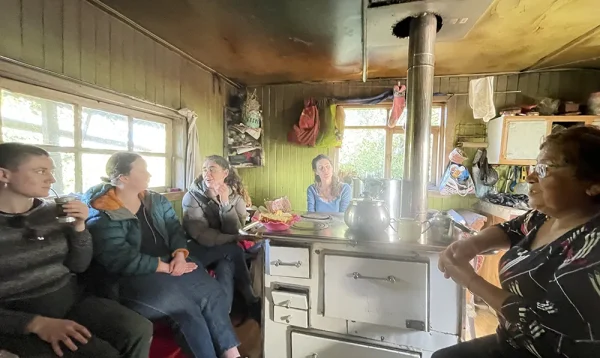
We are studying the various cultural practices associated with the different ways of living in Aysén, in order to gain new insights into the region’s history and culture

ARTISTIC CREATION

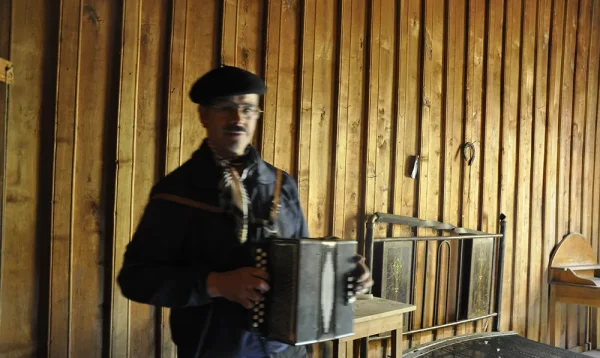
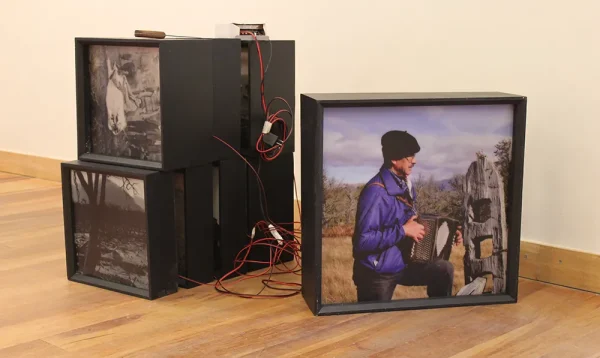
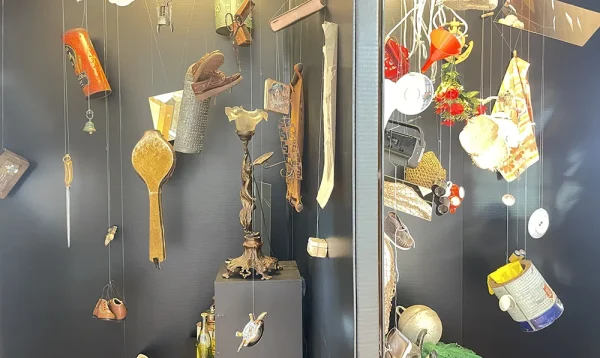
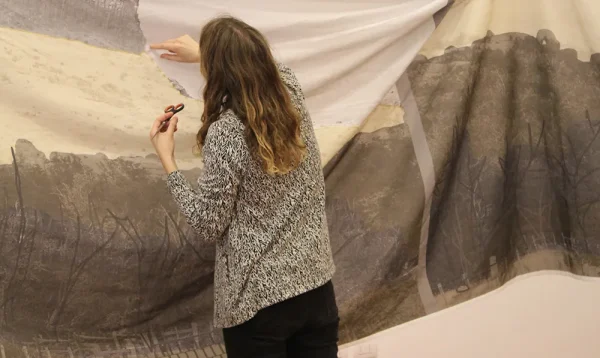
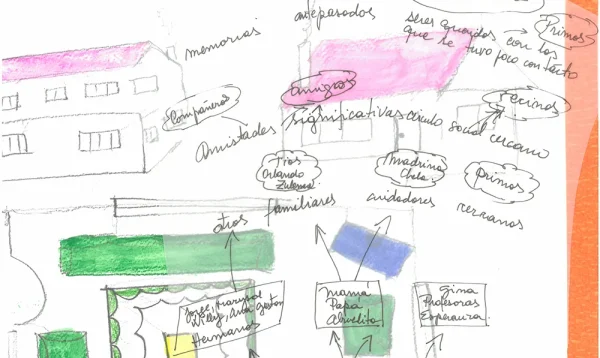
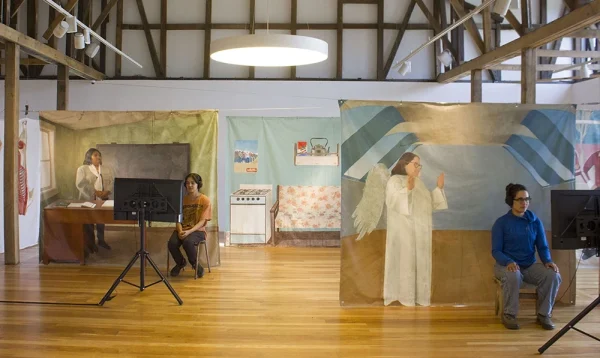
We promote artistic creation and foster new creative processes, incorporating historical and cultural heritage content from Aysén

EXHIBITION

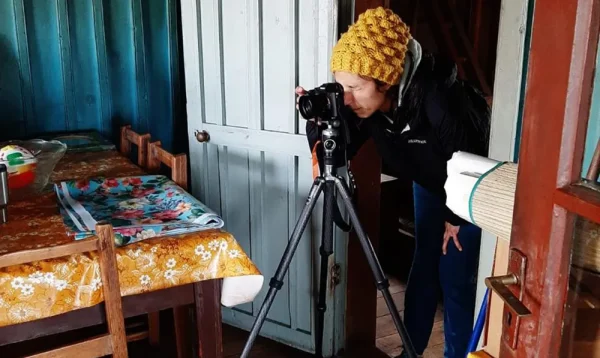
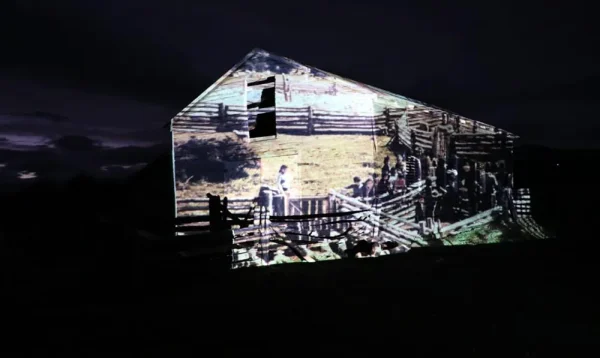
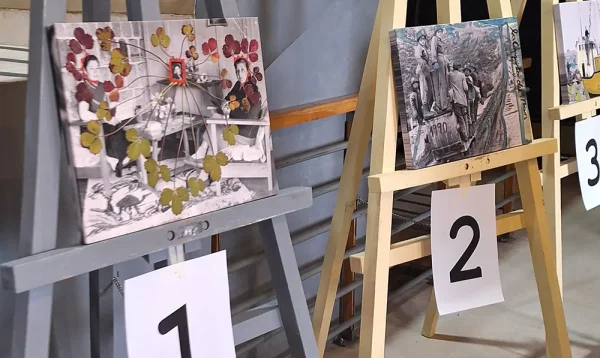
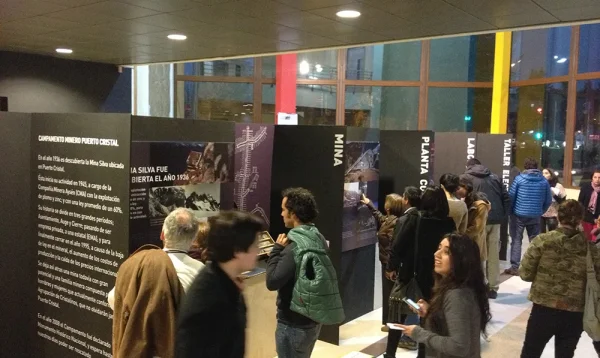
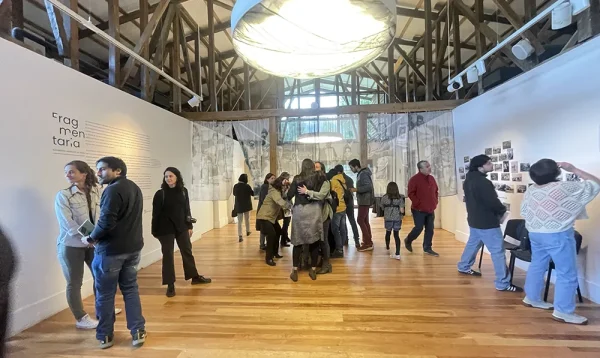
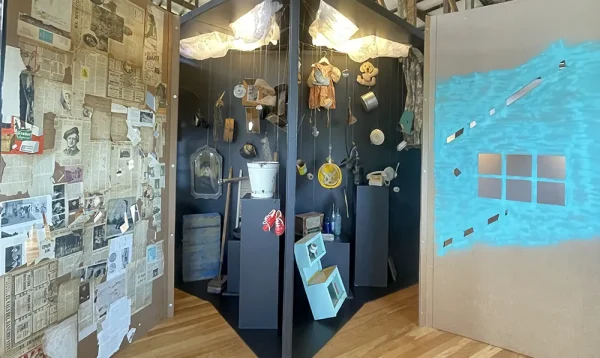
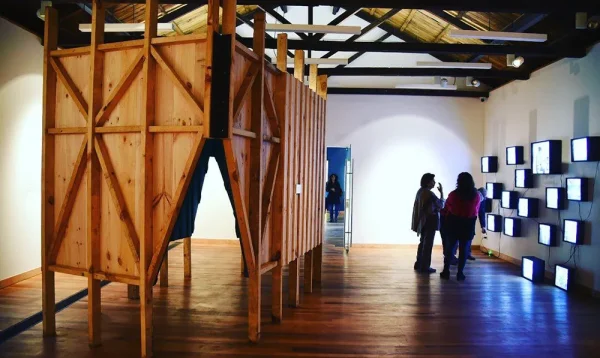
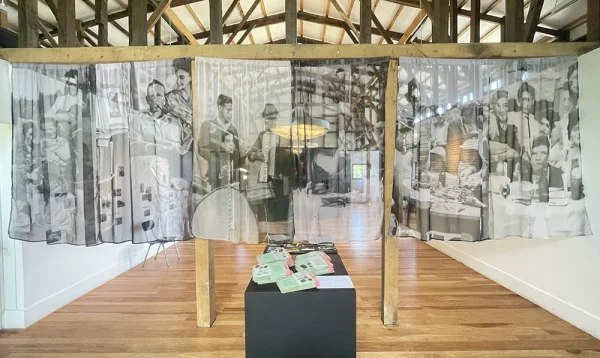
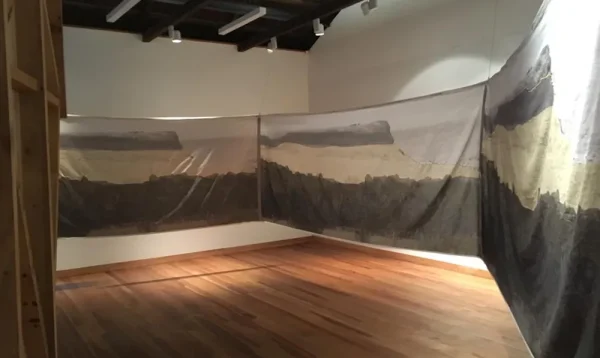
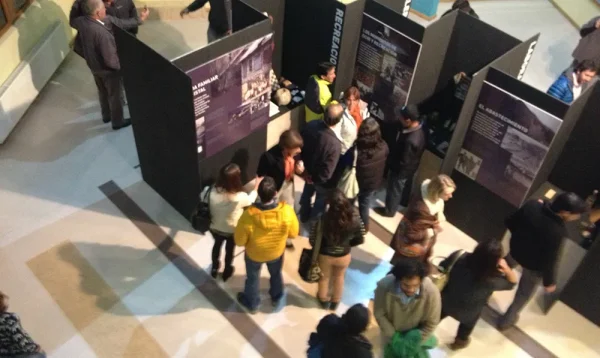
We promote and share the culture of Aysén through conferences, exhibitions, publications, and audiovisual materials in the fields of art and cultural heritage

EDUCATION

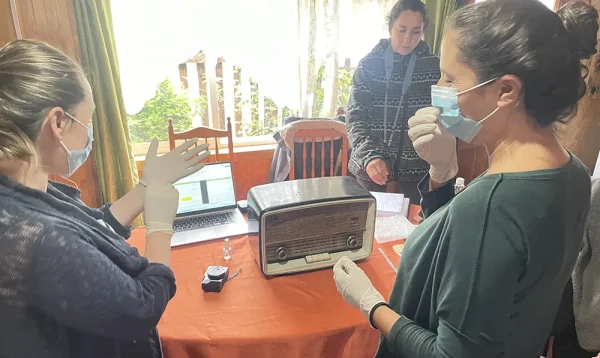
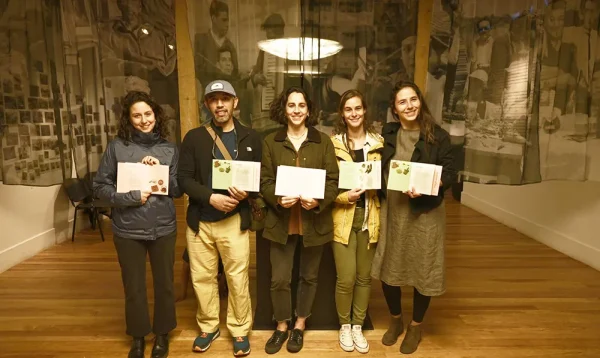
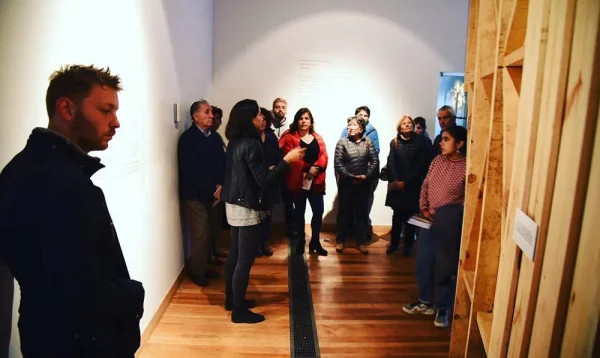
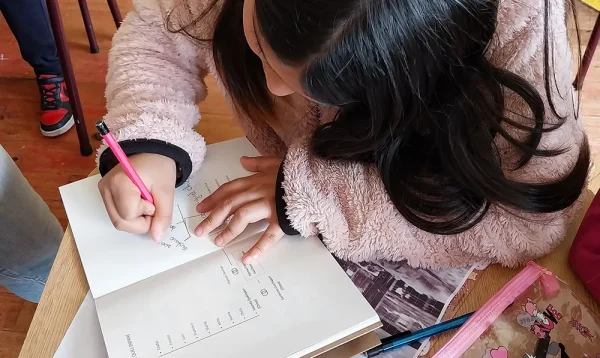
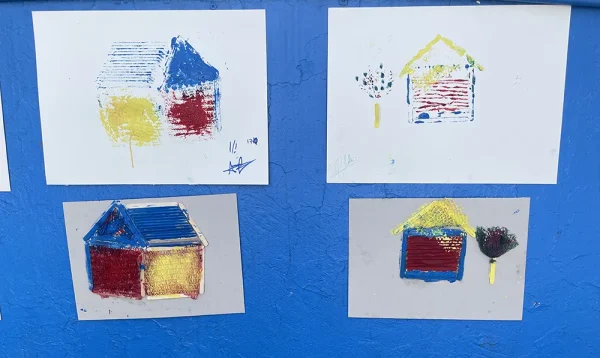
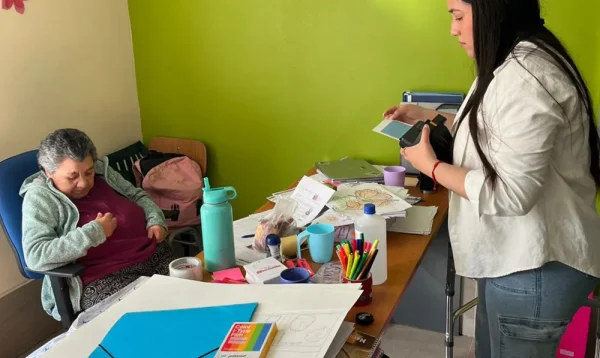
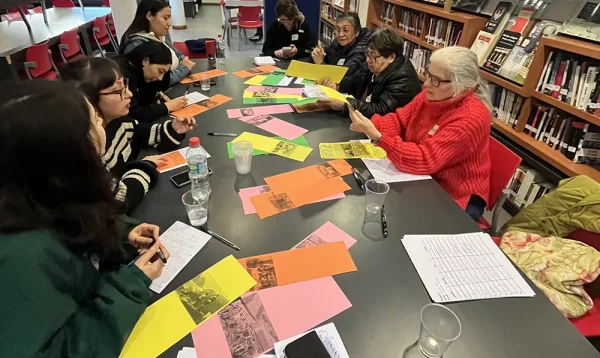
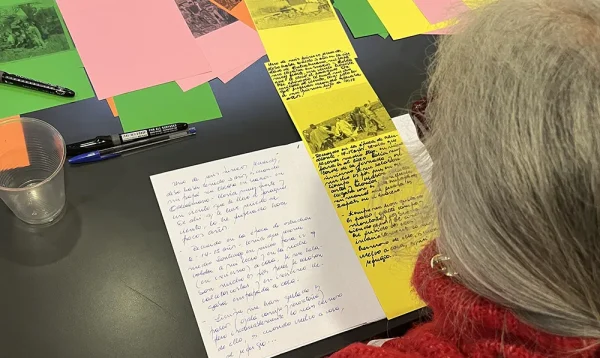
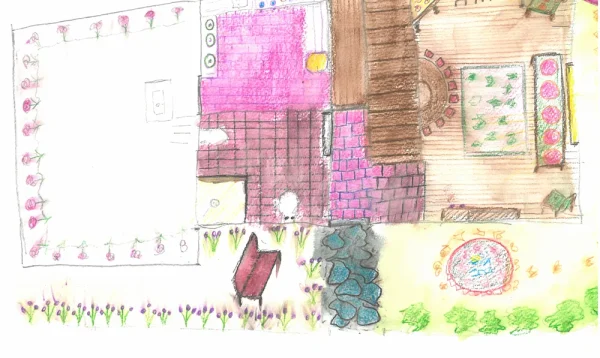
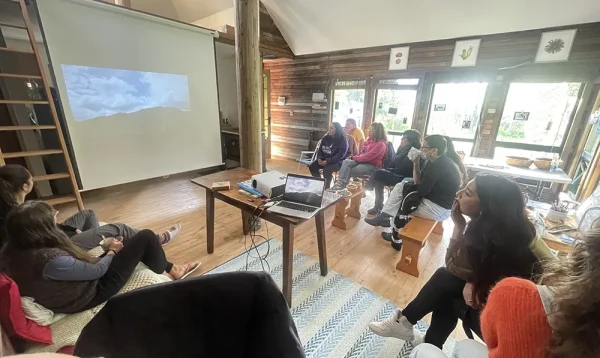
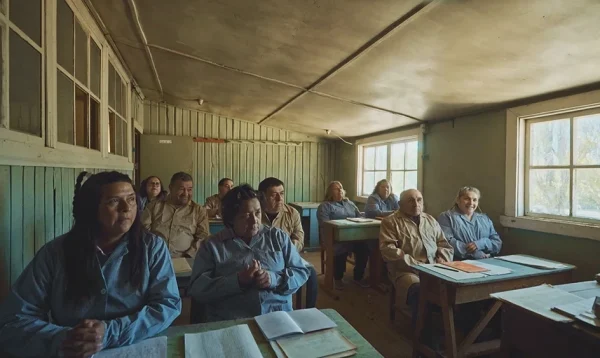
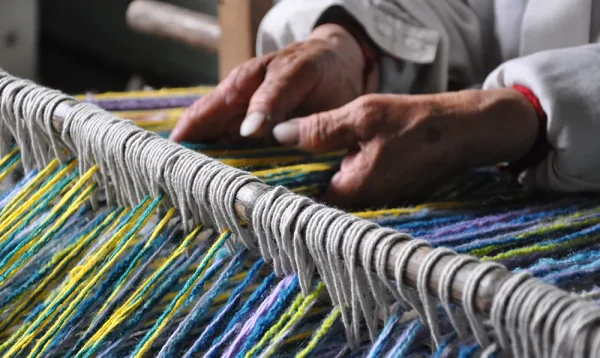
We promote Aysén’s cultural heritage through various artistic approaches with children, youth, and senior citizens

MEDIATION

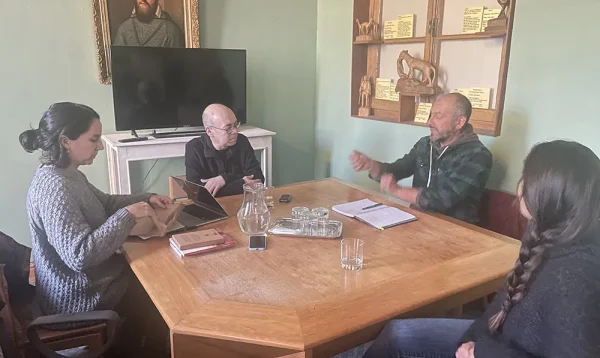
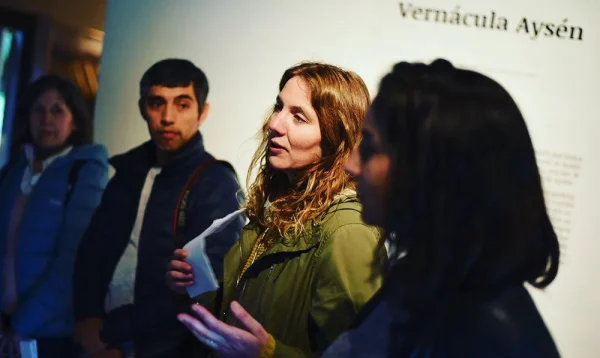
We promote dialogue and cultural exchange through initiatives organized by other cultural professionals, organizations, and institutions

CASE STUDIES

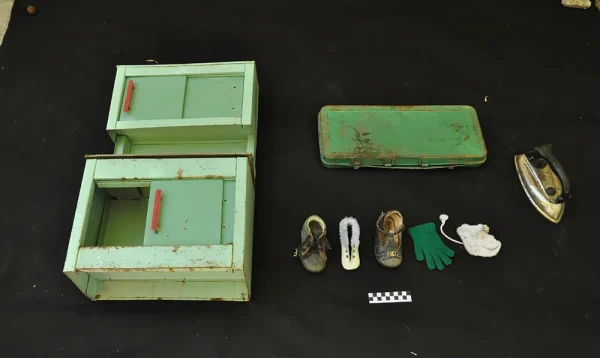
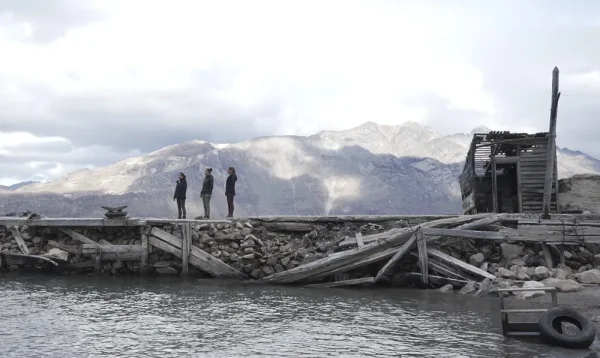
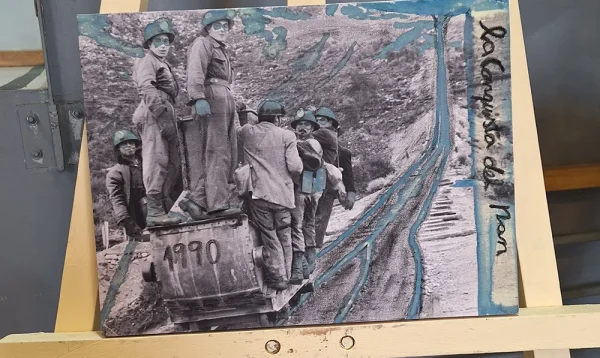
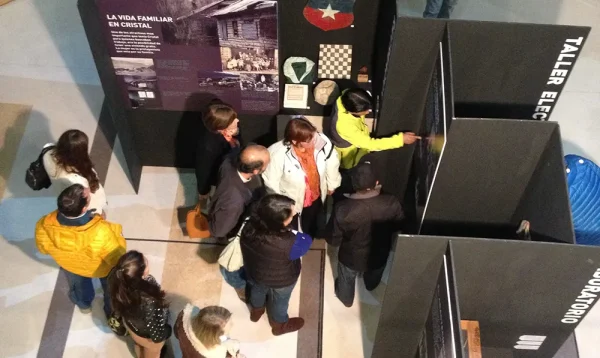
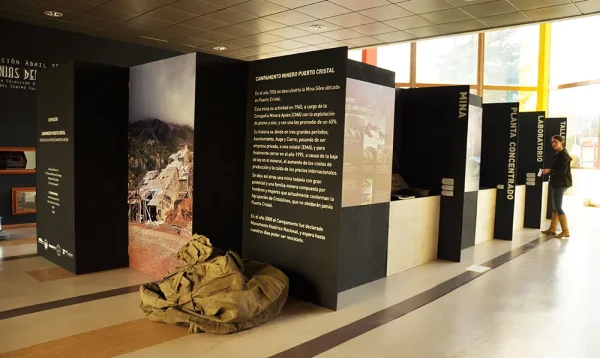
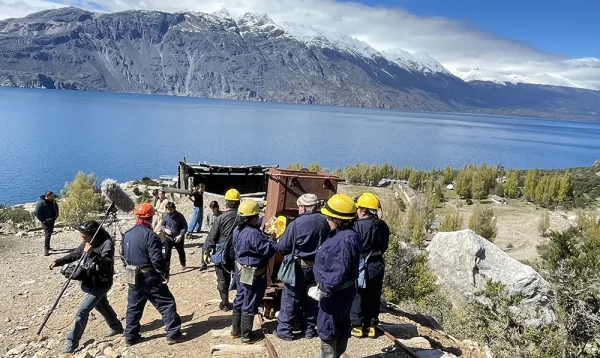
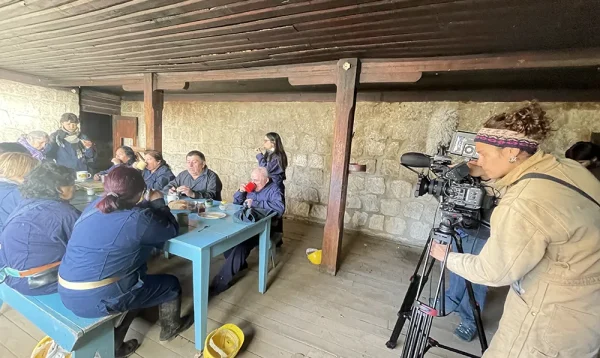
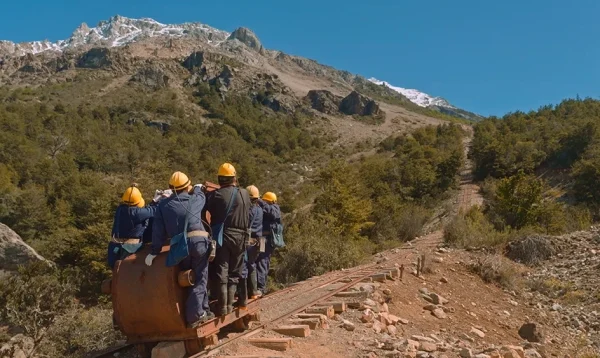
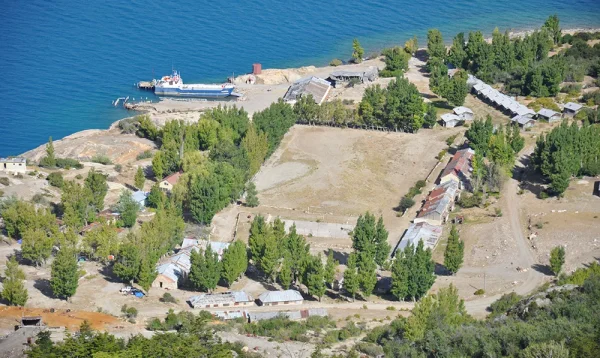
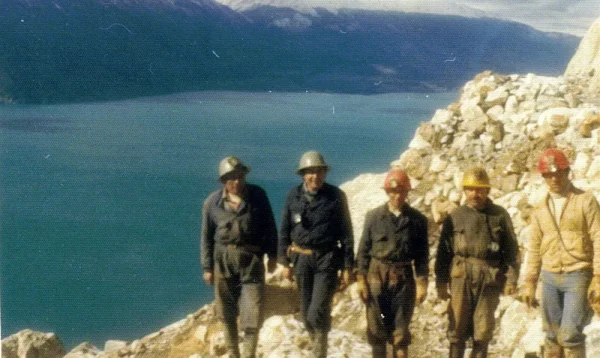
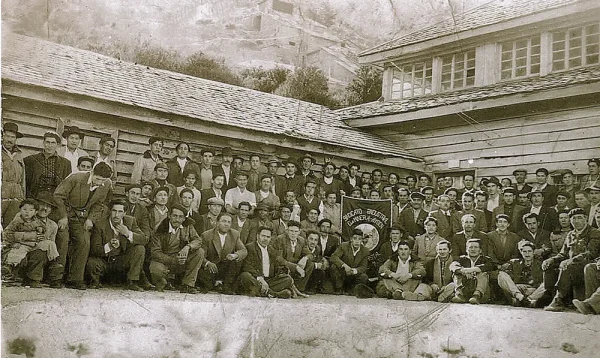
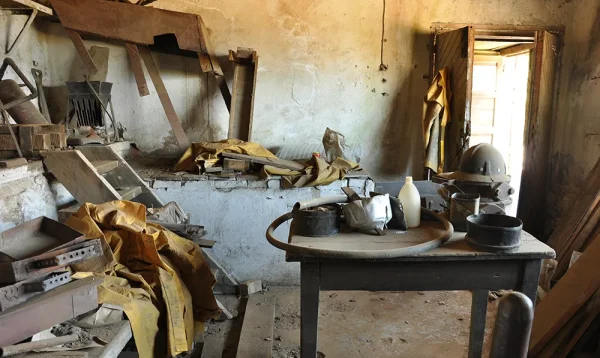
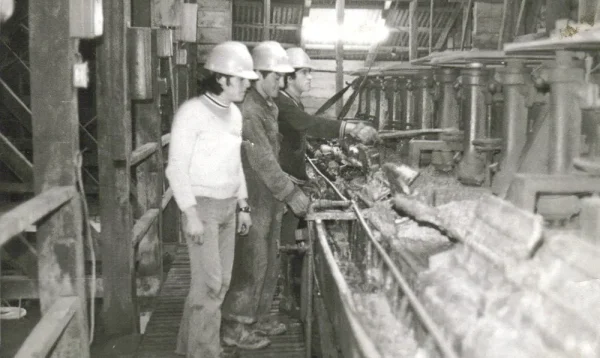
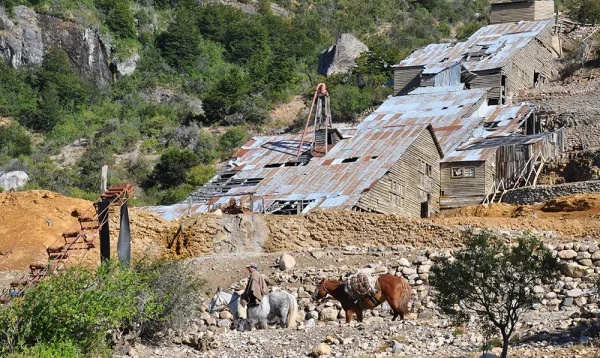
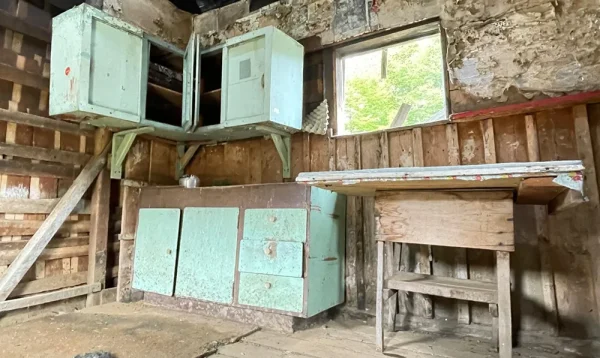
The Puerto Cristal Mining Camp played a key role in the industrial development of Aysén. It began operations in 1940 and eventually grew to a population of over 1,000, who were ultimately forced to leave the area in 1990 due to the closure of the mining operations.

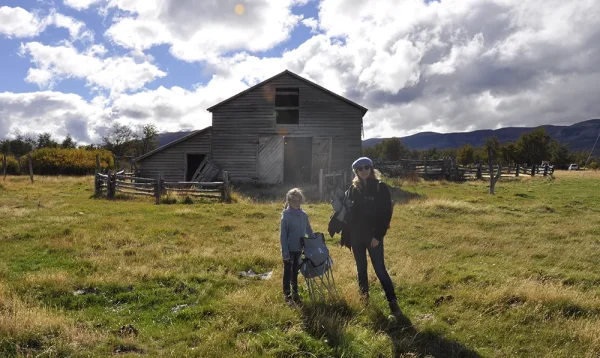
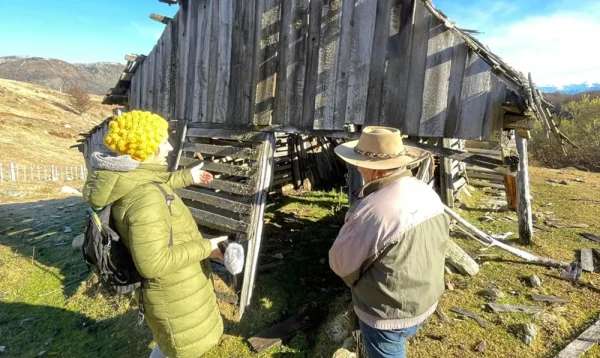
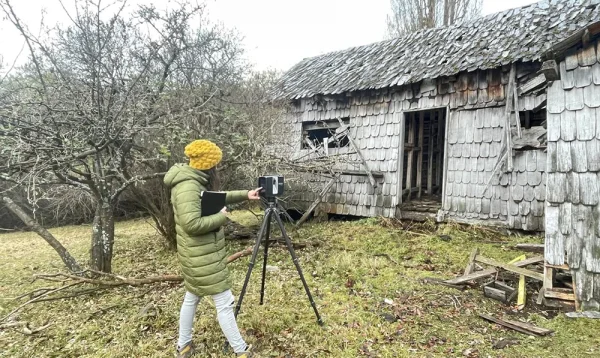
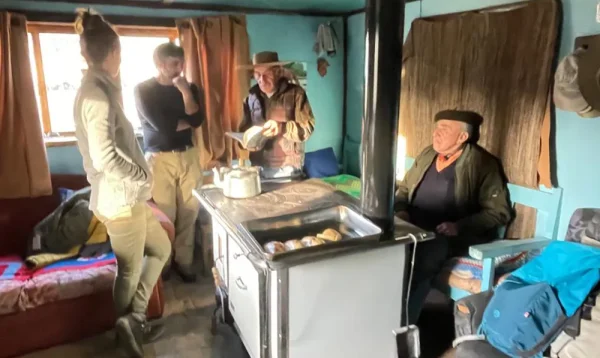
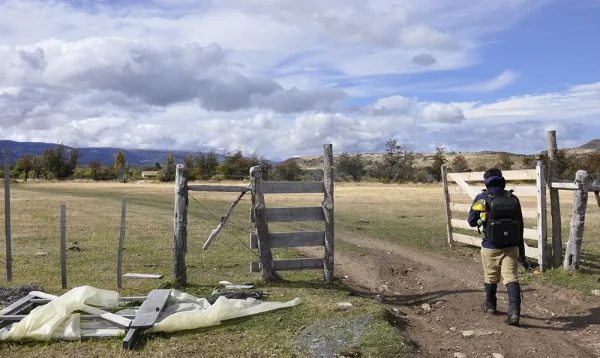
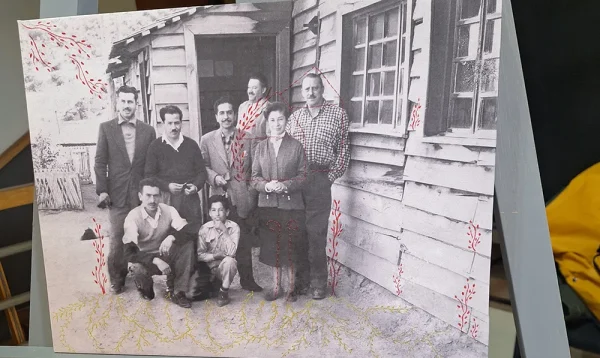
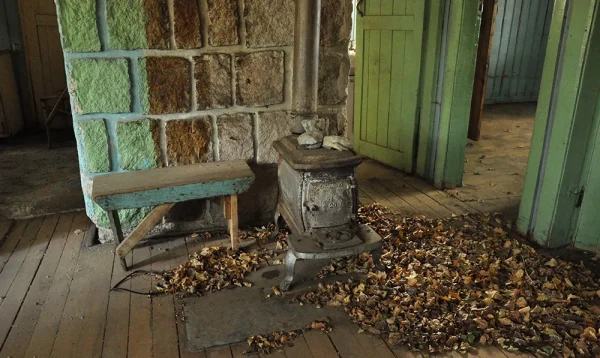
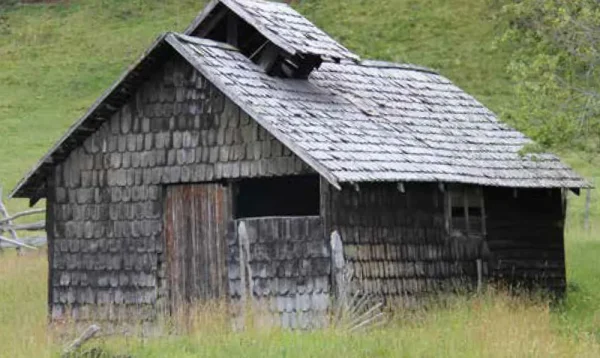
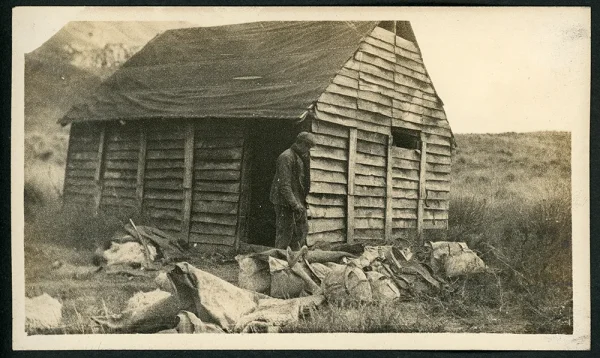
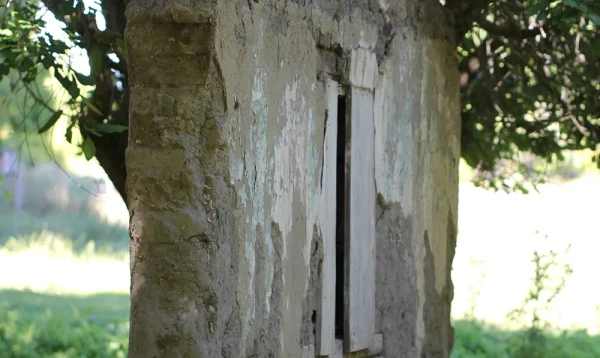
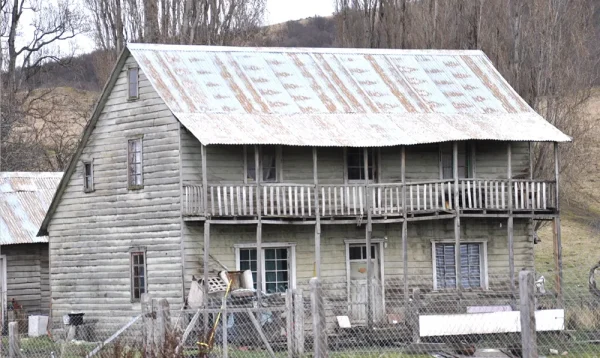
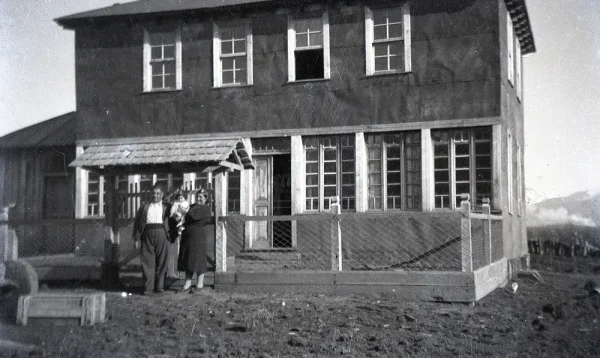
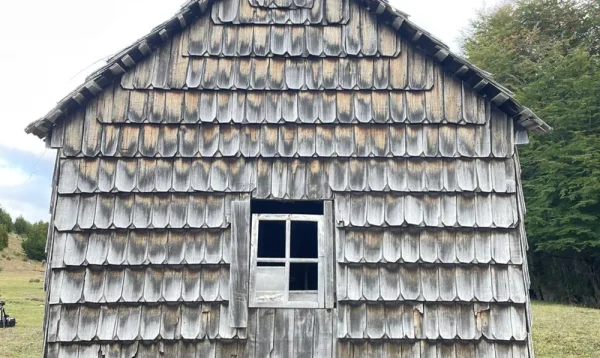
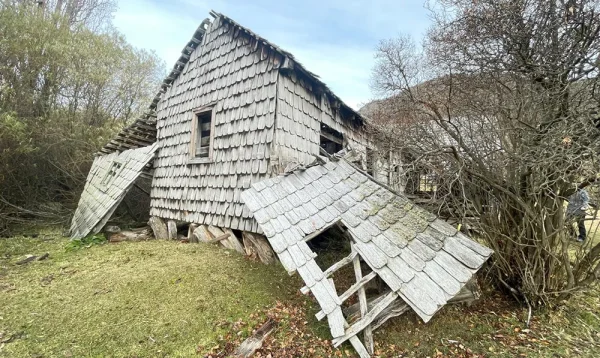
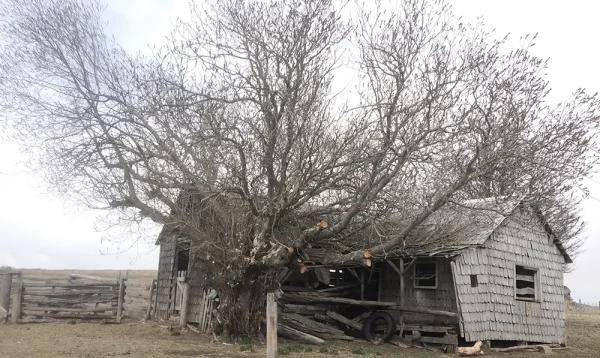
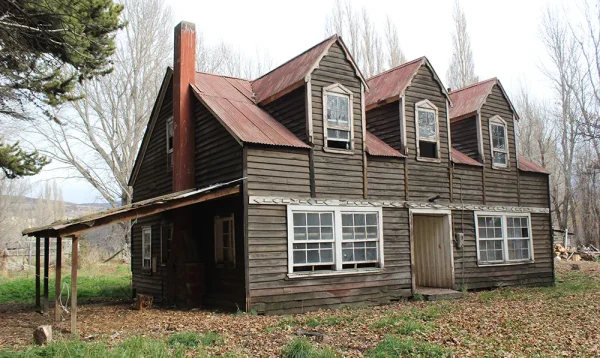
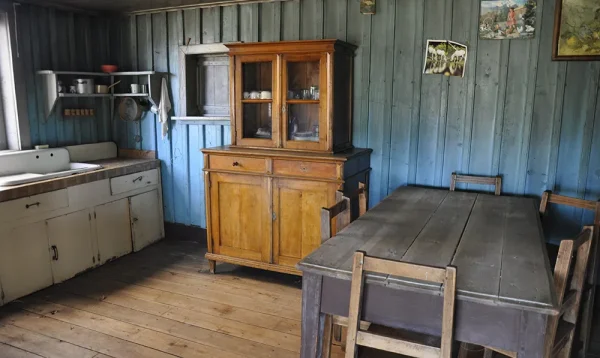
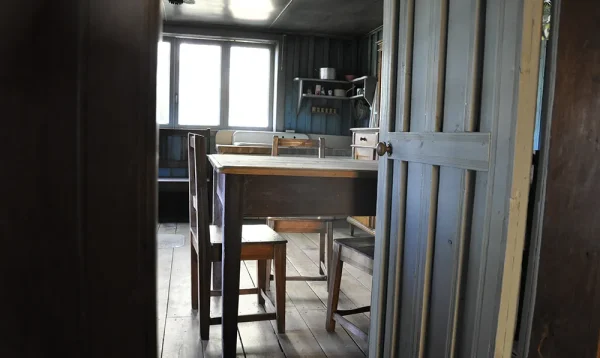
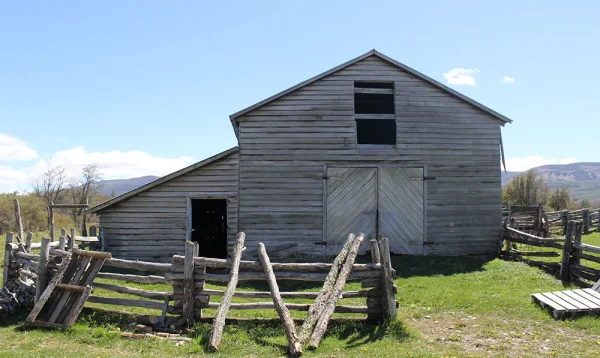
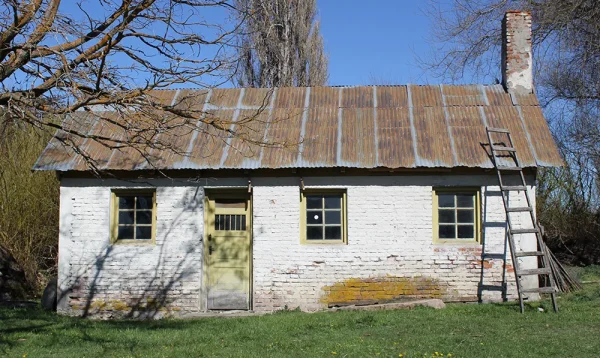
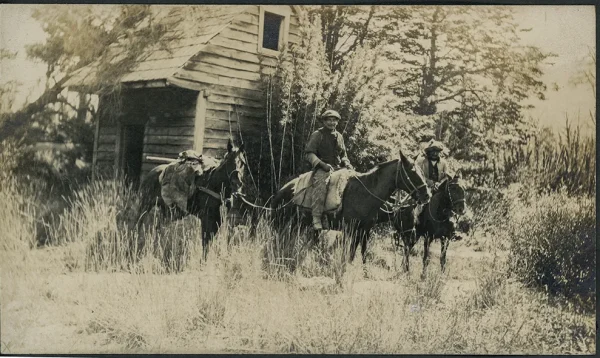
The heritage architecture found in the rural areas of Aysén reflects the history of the first settlers who arrived in the region.

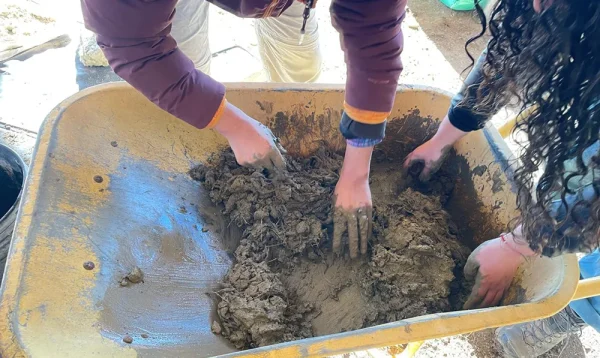
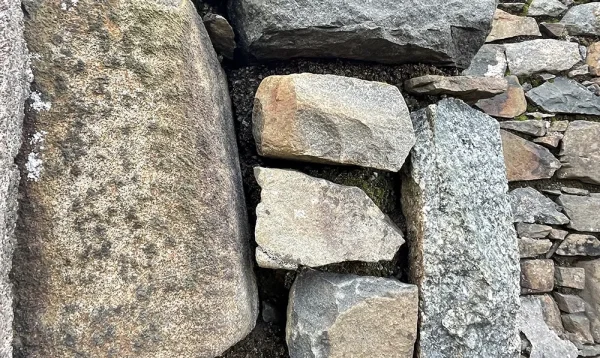
These buildings demonstrate the architectural knowledge, construction techniques, and crafts associated with the use of local materials, which these settlers brought with them from other parts of the country; this has helped shape Aysén’s current cultural heritage.

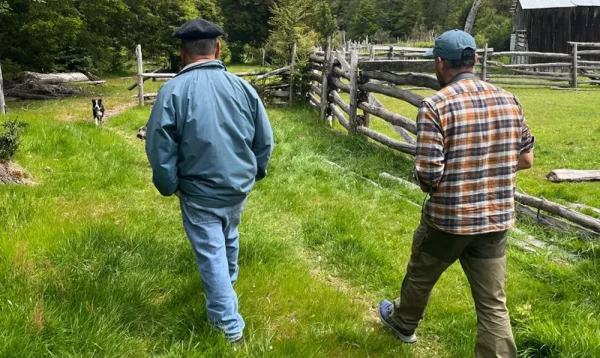
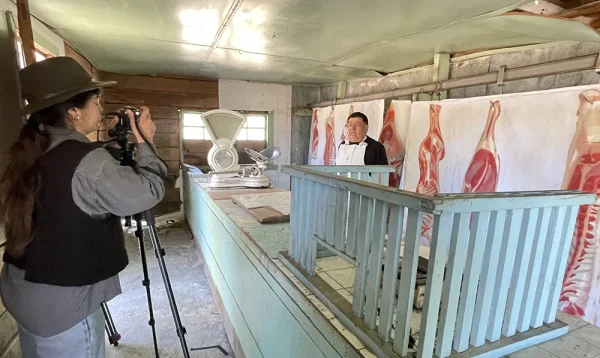
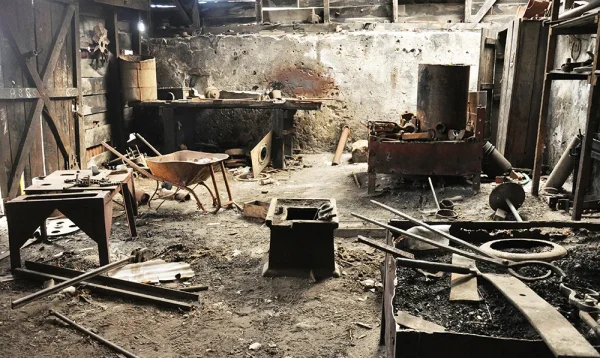
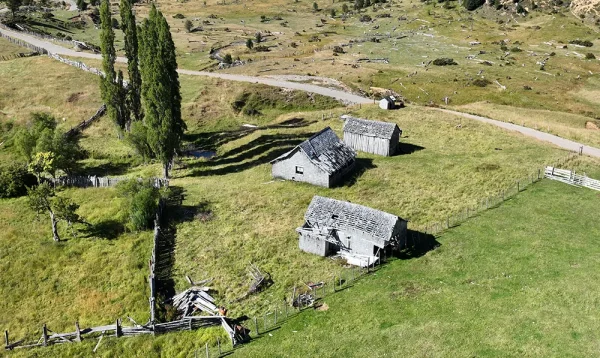
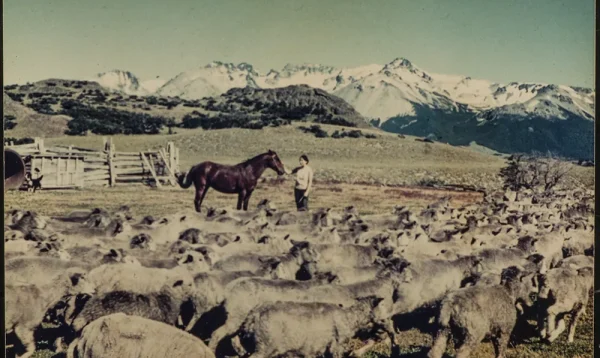
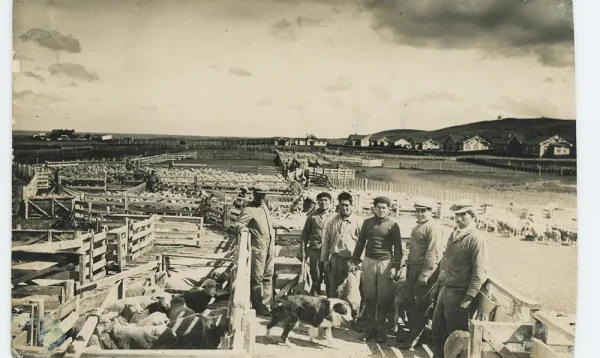
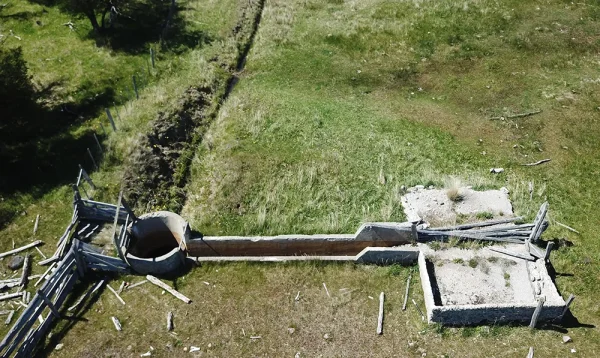
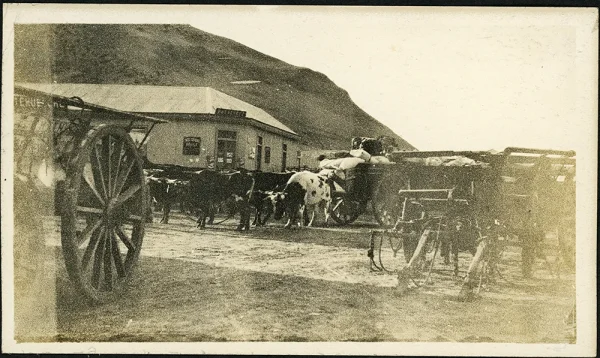
The Ñirehuao Ranch is a significant livestock settlement established by the Aysén Industrial Society in the early 20th century; it is currently linked to the communities of Ñirehuao, Valle de la Luna, and El Gato. Its architectural complex reflects the way of life, work, and techniques characteristic of ranch life, which differs from rural, industrial, and island ways of living.

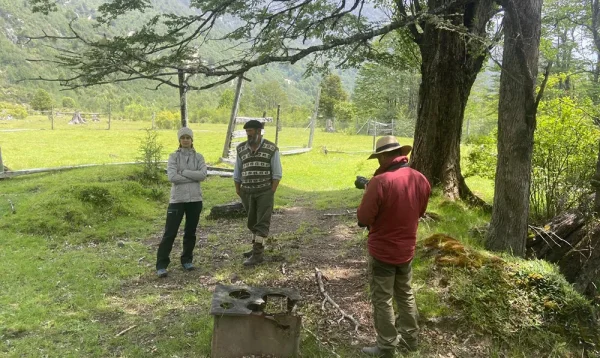
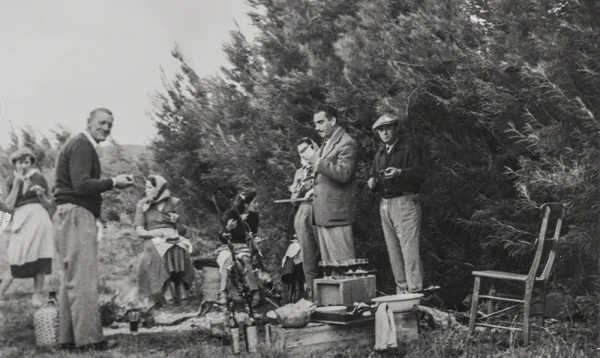
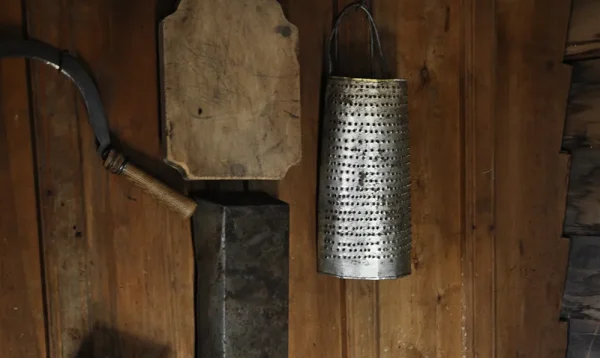
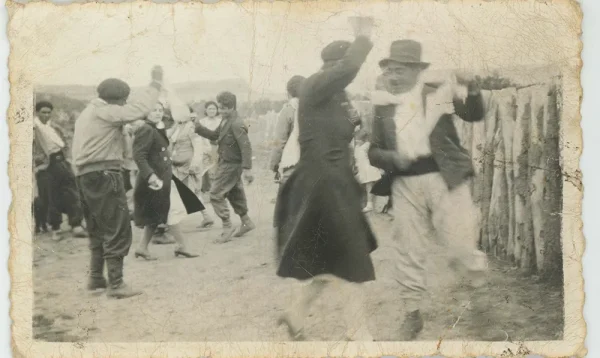
The Cerro Galera Estate is a small-scale heritage complex founded in 1915 by Narciso Ehijos and Rosa Oporto, during the period of spontaneous settlement in Aysén. The estate was home to an agricultural and livestock-based way of life, and its buildings reflect the lifestyle and trades of the time.

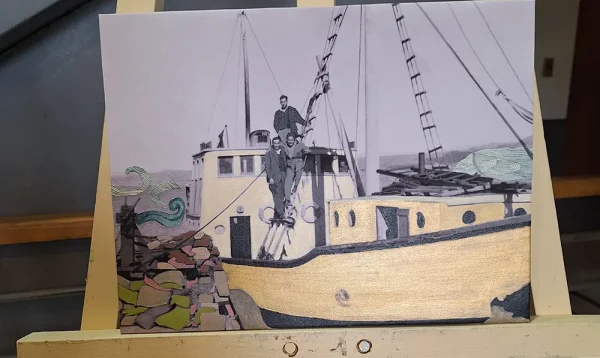
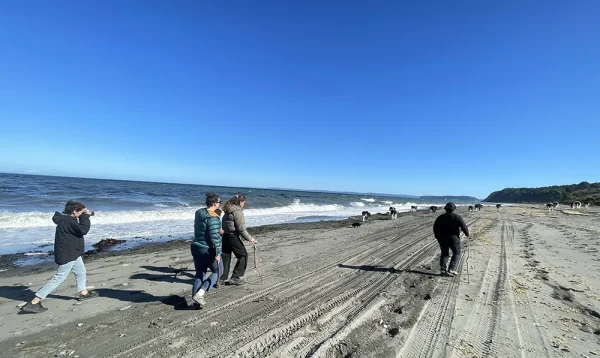
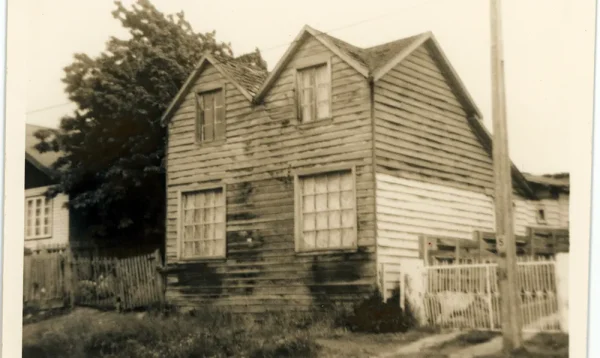
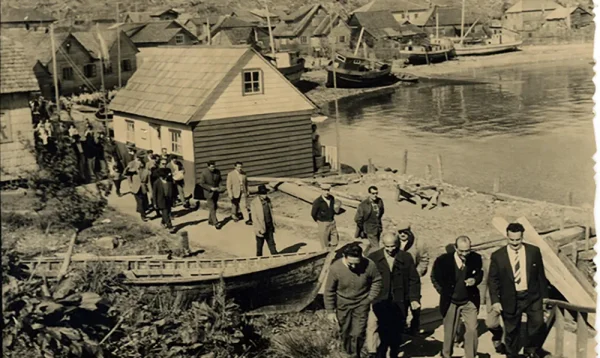
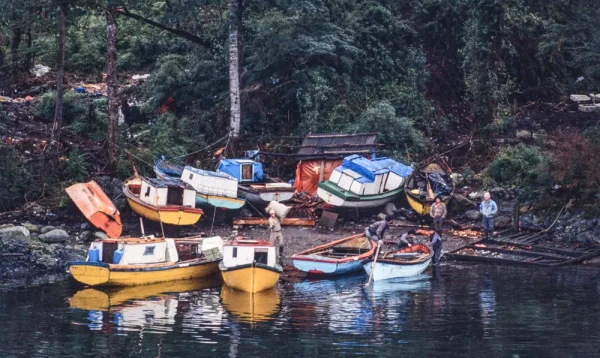
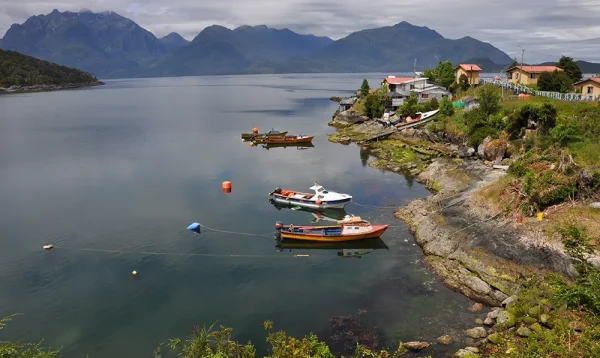
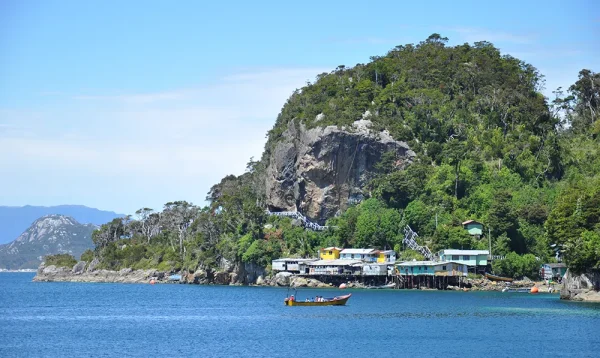
Patagonia consists of both island and mainland territories. In the island region of Aysén lie the Guaitecas and Chonos archipelagos, home to the communities of Melinka, the Gala Islands, Magdalena Island, and the Huichas Islands.

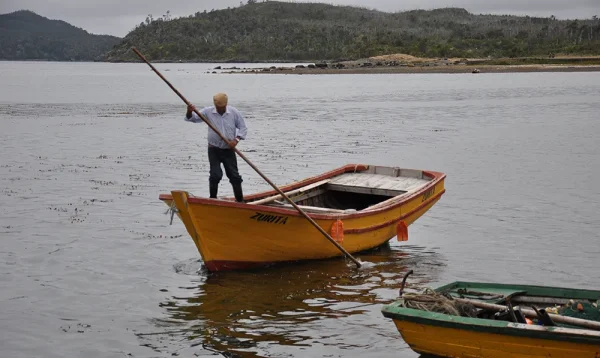
These territories represent a way of life characteristic of island communities, with cultural traditions, practices, trades, and forms of settlement on land and at sea that are unique to the region.

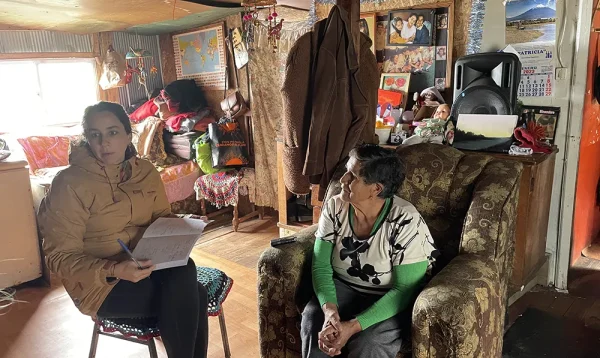
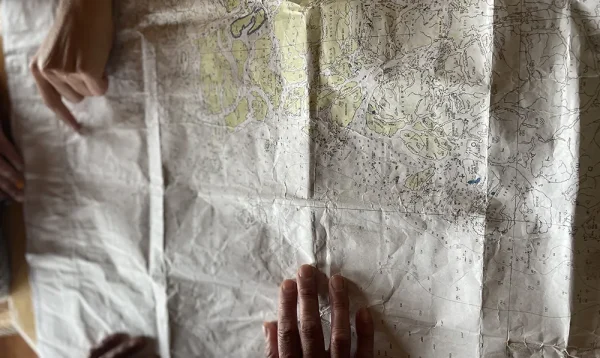
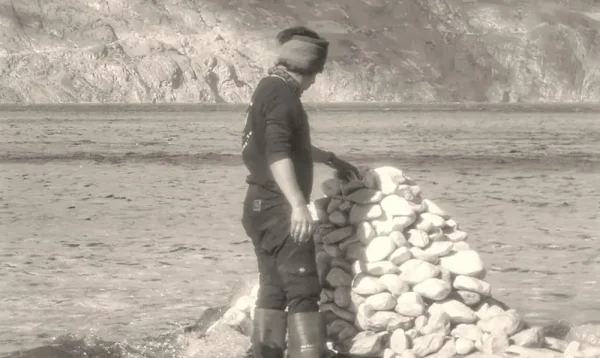
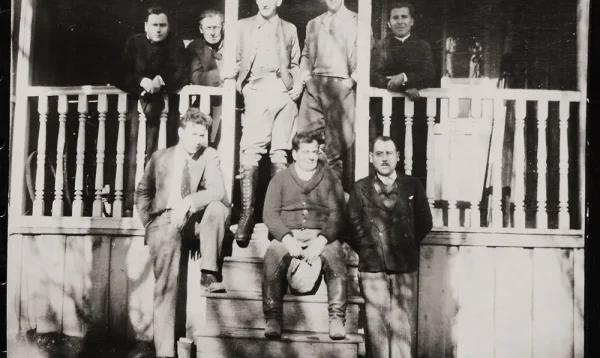
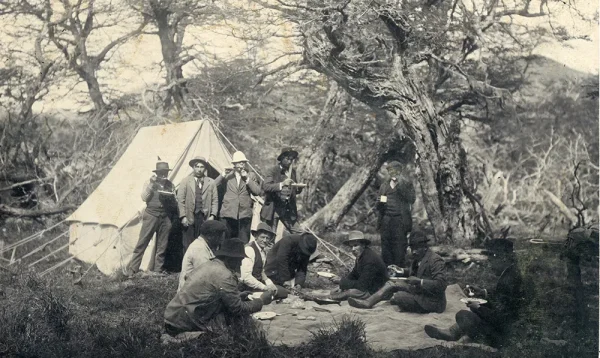
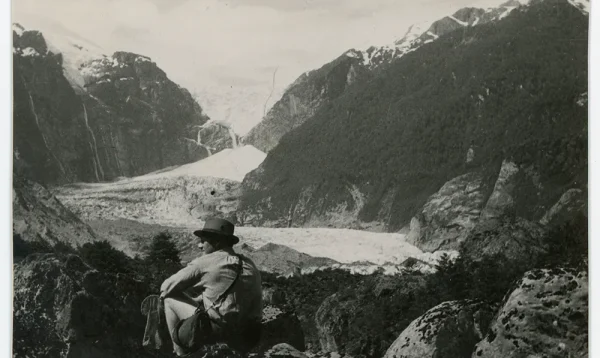
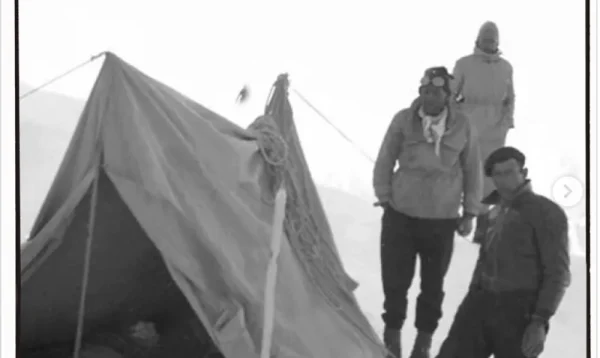
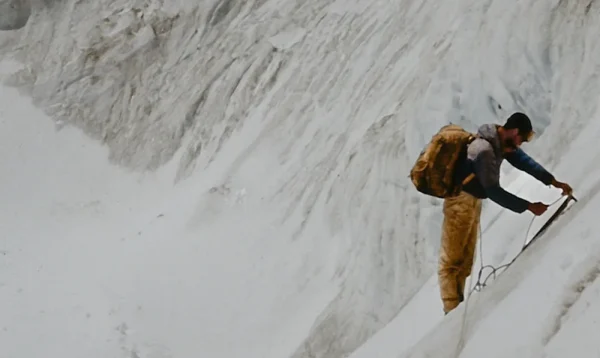
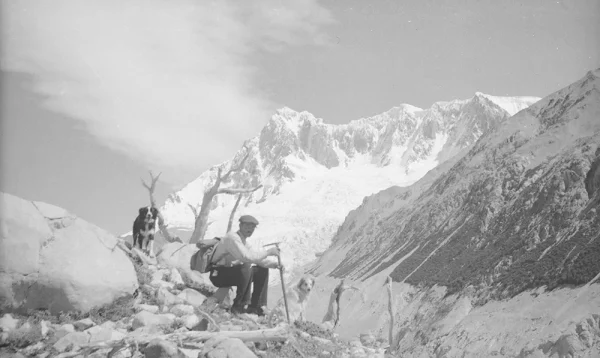
The journeys undertaken by various explorers during the 19th and 20th centuries provide insight into the processes of colonization in the Aysén region. Their accounts document key historical moments, cultural encounters, and descriptions of the landscape that help reconstruct the history of the region.
Scroll to Top